

Rainy season in the Philippines is no joke for riders. Here's what actually helps, from gear to a few habits that'll keep both you and your bike in one piece.
Rainy season here isn't really a season, it's half the year. If you ride year round in the Philippines, you've already made peace with the fact that you're going to get caught in a downpour eventually, probably while wearing the wrong gear. We put this together from what we hear at the shop and from our own riding, not from a textbook.
Get a proper two piece rain suit, skip the poncho
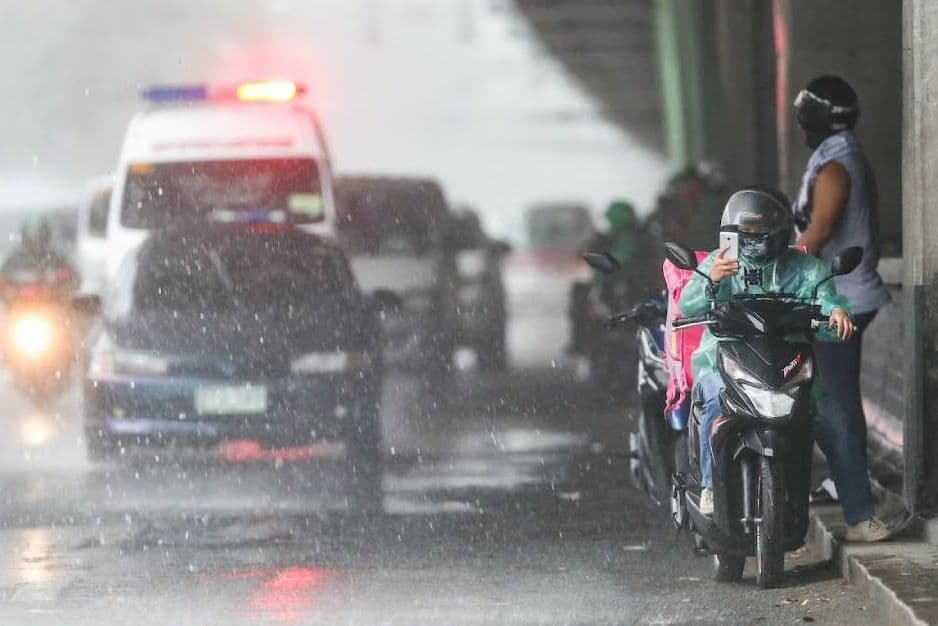
A poncho looks convenient until it catches wind at 60 km/h or flaps into your chain. A two piece rain jacket and pants set is worth the investment if you ride regularly. It packs small enough to keep under your seat or in a tail bag, and it actually stays put. Look for one with reflective bits too, visibility drops fast once the rain starts and the sky goes grey at 4pm.
Anti-fog your visor before you need it, not during
Nothing's worse than your visor fogging up mid-ride in heavy traffic. Get an anti-fog treatment or pin-lock insert and apply it before the rain starts, not when you're already squinting through a foggy visor on EDSA. A small thing but it makes a real difference to how stressful a wet ride feels.
Floods are everywhere, know your bike's limits
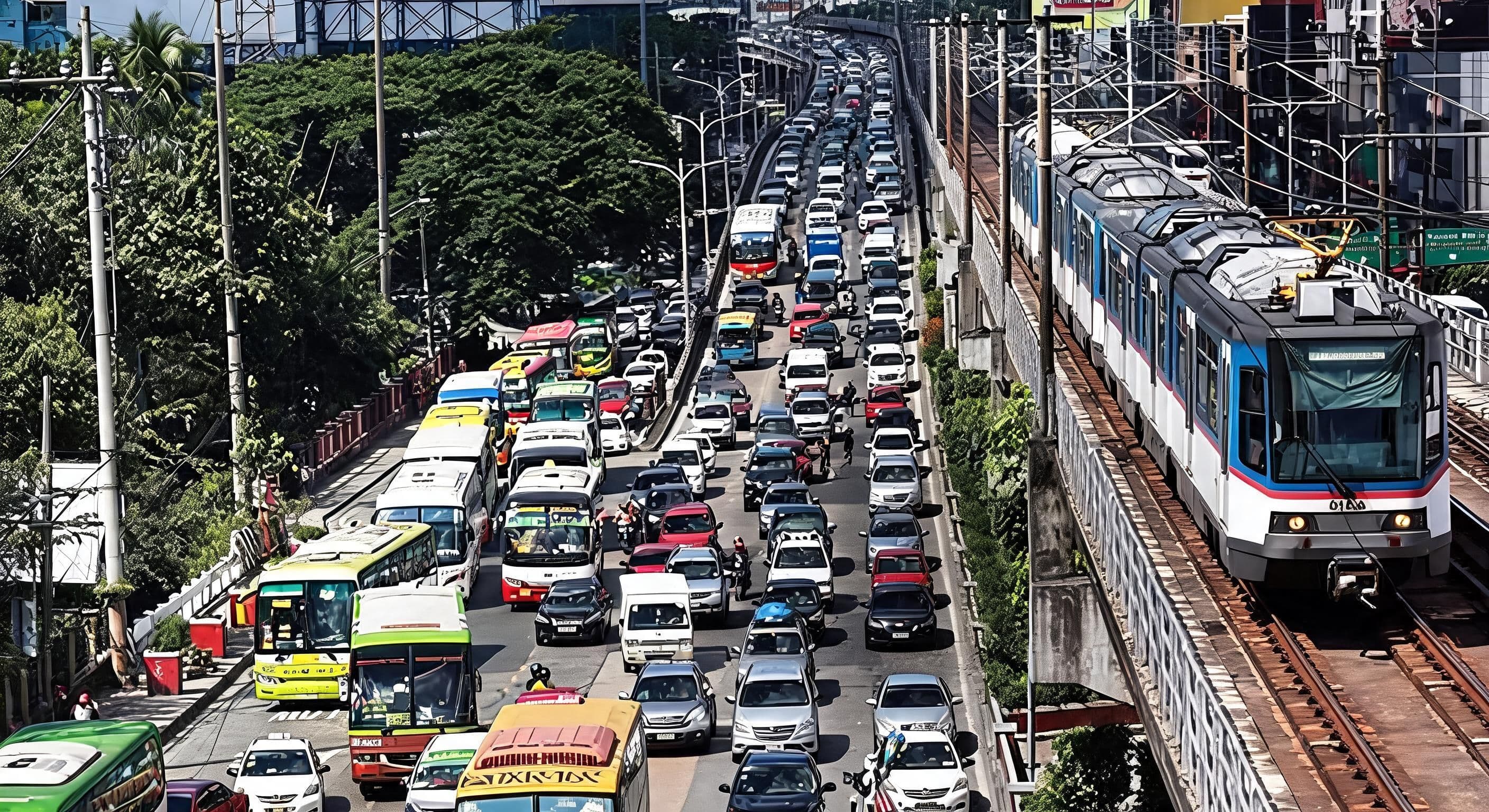
A general rule a lot of riders use is checking the water level against your tire hub. If it's creeping past the middle of your tire, your exhaust or air intake might be at risk of taking in water, which can wreck your engine fast. If you're not sure, let a car go first and watch how deep the water actually is from the wake it makes. It's better to wait it out or find another route than to gamble on a flooded street, especially with all the open manholes and debris that tend to hide under murky water here.
First few minutes of rain are the most dangerous
This one surprises people. The road is actually slipperiest in the first several minutes after rain starts, before it washes away the oil and grime that's built up on dry days. If it just started raining, slow down more than you think you need to, especially on painted lane markings, manhole covers, and metal grates, all of which get slick fast.
After the ride, don't just park it wet
Once you're home or back at the shop, give your bike a few minutes of attention before you walk away. Wipe down the chain if you can, a wet chain left to sit will start rusting faster than you'd expect, especially with road grime mixed in. If you got hit with flood water, even just splashes, it's worth having someone check your brakes are still working properly before your next ride, the gentle brake test thing where you tap the lever a few times to dry out the pads.
Quick rainy season checklist
- Check tire tread before the season really kicks in, bald tires and wet roads are a bad combo
- Carry a small rag or microfiber cloth, useful for visors and grips
- Keep your chain lubed more often than usual, rain washes it off fast
- Test your lights and brake lights, visibility goes both ways
- If your bike's been sitting in heavy rain a lot, get your brake fluid checked, it absorbs moisture over time
If your bike's chain looks rusty after a wet week, or your brakes feel a bit off after riding through a flooded street, don't just wait it out. Bring it in and we'll take a look. It's a lot cheaper to catch this stuff early than to deal with it after rainy season's done its damage.
Team Sixthgear
June 30, 2026
Riding-Tips