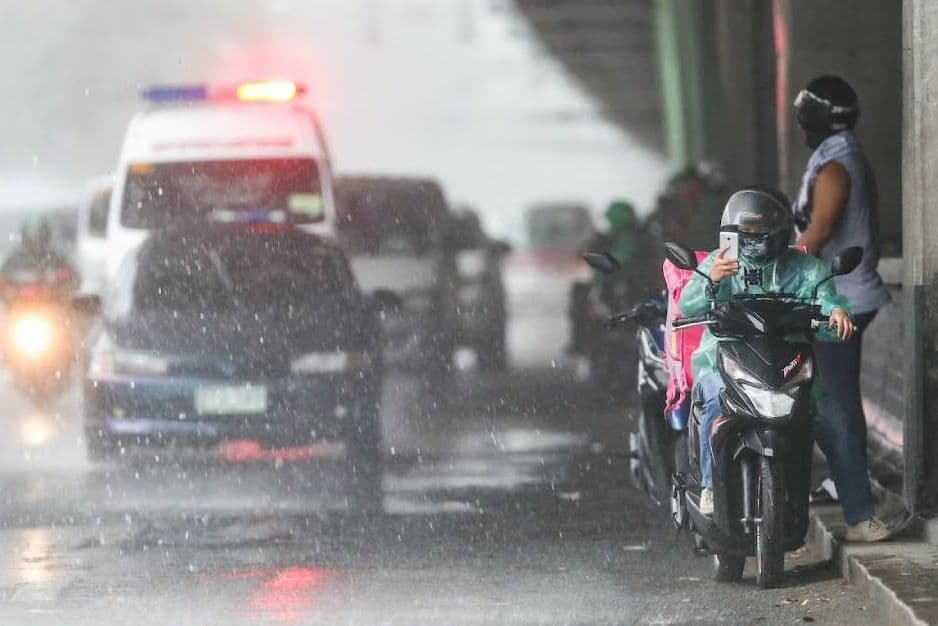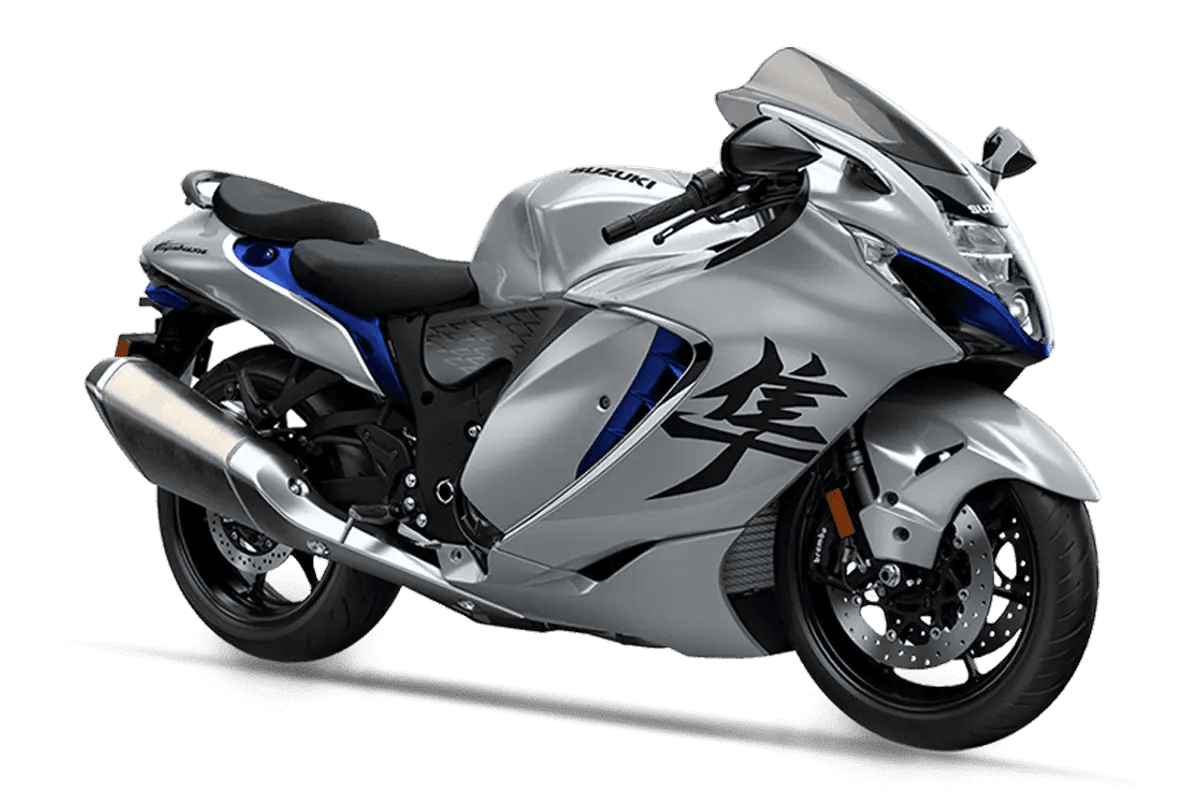


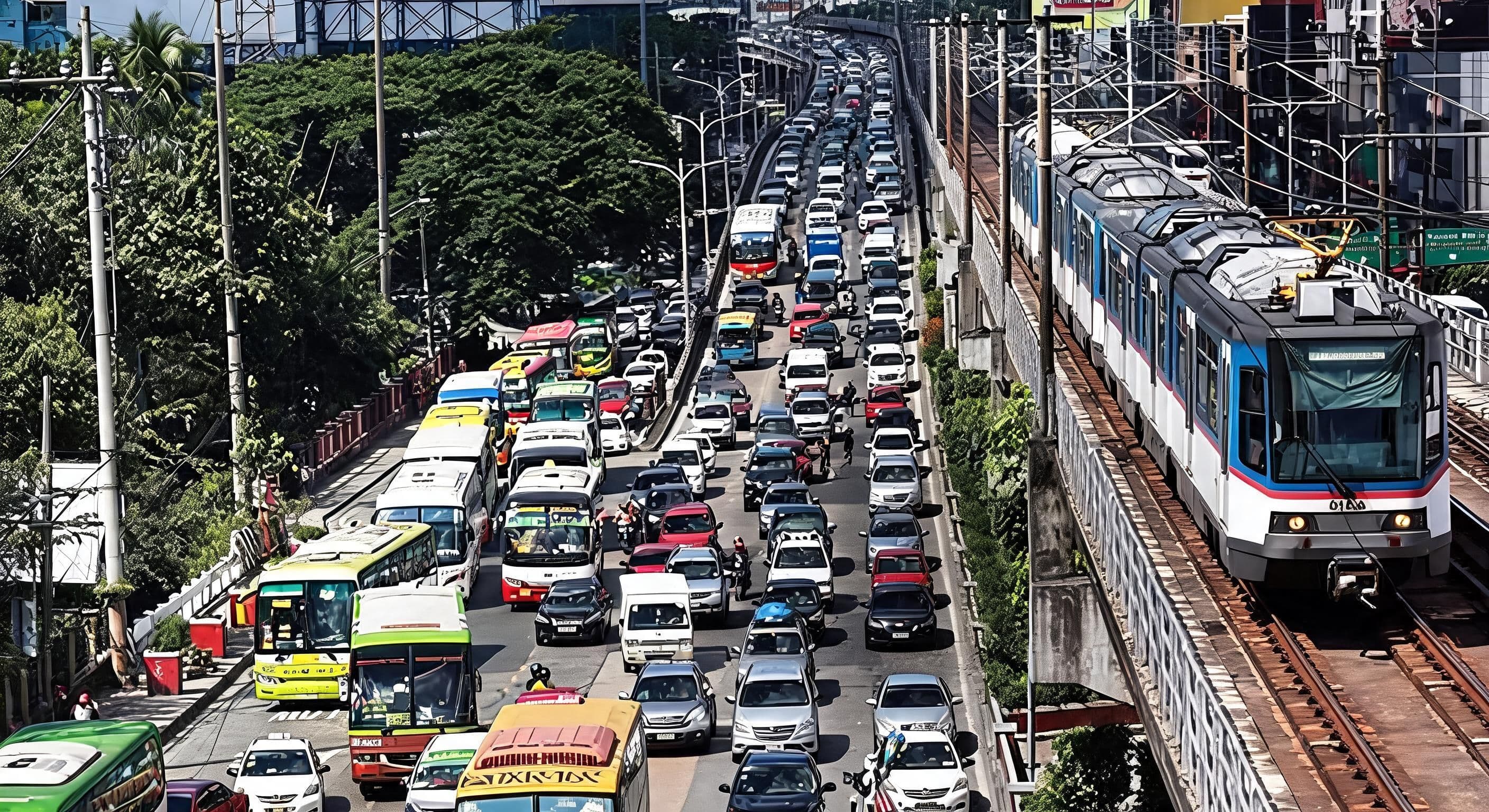
EDSA at 5pm is its own kind of war zone. Here's how to actually survive it on two wheels without burning out your bike or your patience.
if you've ridden EDSA during rush hour, you already know it's not really riding. It's more like a very slow, very hot obstacle course where everyone is in everyone's way and nobody signals. We've had a lot of conversations with customers at the shop about this, so we figured we'd put together what actually helps, based on what riders here tell us works for them.
Your clutch hand is going to hate you, so prepare for it
Crawling traffic means a lot of clutch slipping at low speed, especially on a manual big bike. This wears out your clutch plates faster than normal riding would. If you commute daily through Makati or BGC, don't be surprised if your clutch needs attention sooner than the manual says. Some riders get used to "feathering" the clutch instead of fully engaging and disengaging every time, which helps a bit, but honestly the real fix is just budgeting for clutch wear as part of owning a bike here. It's not a flaw in your riding, it's just what Metro Manila does to a clutch.
Lane splitting has a sweet spot
Everyone splits lanes here, that's not the debate. The debate is how. Going too fast between cars that aren't expecting you is how accidents happen, especially near intersections where someone might turn without checking their side mirror. The safer approach is to treat lane splitting like a controlled crawl, not a sprint. Cover your brake, scan both side mirrors of the cars you're passing, not just the one closest to you, and assume at least one driver hasn't seen you. It sounds paranoid but it's kept a lot of riders we know out of the hospital.
Don't ride the brakes, use engine braking more
In stop and go traffic, your brake pads take an absolute beating if you're constantly squeezing the front lever. Get into the habit of downshifting and letting engine braking slow you down before you even touch the brakes. Your pads will last noticeably longer and honestly it makes the whole ride feel smoother, less jerky for whoever's behind you too.
Heat soak is real, plan your stops
If you're stuck in traffic for 30 minutes straight with the engine running and barely moving, your bike is dealing with way less airflow than it's designed for. Big bikes especially can run hot in this situation. If you notice your temp gauge climbing or you can feel extra heat off the engine near your legs, find a spot to pull over for a few minutes if you can. It's not worth pushing through and risking an overheating issue, especially on a hot March afternoon.
A few small habits that make a real difference
- Keep your visor or sunglasses on even in light traffic, dust and exhaust fumes are constant
- Check your mirrors before every lane change, not just out of habit but because someone is always closer than you think
- Top off fuel earlier than you think you need to, running low in heavy traffic is its own kind of stress
- If your bike has a fan, listen for it kicking in, that's your early warning system
- Give yourself extra following distance behind buses and jeepneys, they stop without much warning
None of this is groundbreaking stuff, it's just what actually works when you're stuck between a jeepney and a Grab car for the third time that week. If your bike's been feeling off after a long stretch of city riding, or your clutch is starting to feel mushy, bring it by our shop in Makati. We see this stuff every week and we're happy to take a look.
Team Sixthgear
June 30, 2026
Riding-Tips